
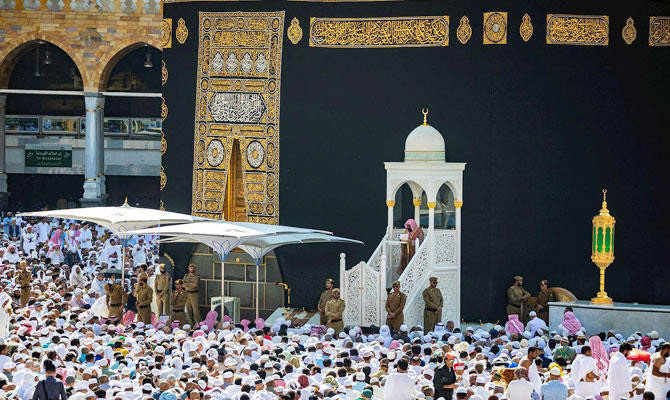
Among the seven days of the week, al-Jumu‘ah stands as a divinely chosen moment—a spiritual summit designed to recalibrate the heart, renew the intellect, and restore the soul’s orientation towards its Creator. Far from being a weekly ritual alone, the Sunnah of Friday represents a sophisticated and holistic framework for personal transformation. It weaves together disciplines of purification, knowledge, communal engagement, emotional intelligence, ethical conduct, and spiritual transcendence. When revived fully, Jumu‘ah becomes not simply a day of worship, but a weekly spiritual intervention capable of reshaping one’s life.
The believer’s journey begins at dawn, with Fajr in congregation, ideally in the Masjid. Spiritual cosmology in Islam places immense weight on beginnings: the state with which one starts the day shapes the trajectory of everything that follows. Performing ghusl, wearing dignified clothing, and applying fragrance are not superficial acts; they symbolise internal renewal, self-respect, and preparation for divine proximity. These are psychological cues and spiritual disciplines that train the heart to approach Jumu‘ah with reverence, clarity, and anticipation of mercy.
Intellectual rejuvenation follows through the recitation of Surah al-Kahf, a chapter rich with philosophical depth: the trial of faith, the allure of materialism, the limitations of human knowledge, and the reality of divine decree. Reading this Surah weekly is not merely a Sunnah—it is a curriculum. It cultivates epistemic humility, strengthens one’s moral compass, and shields the believer from the ideological storms of the age. Likewise, sending abundant blessings upon Prophet Muhammad ﷺ anchors the Muslim identity in Prophetic ethics, love, and loyalty. It reconnects contemporary believers to a timeless spiritual lineage.
At the heart of the afternoon lies one of the most powerful communal obligations in Islam: attending the Jumu‘ah Khutbah and Salah punctually. This ritual brings together theology, public discourse, social cohesion, and sacred remembrance. The Khutbah is the Ummah’s weekly intellectual pulse—guiding, warning, inspiring, and nurturing clarity amidst a chaotic world. Once the prayer concludes, the Qur’an commands believers to “seek from the bounty of Allah”—a profound reminder that Islam does not call for monastic withdrawal, but demands excellence in work, contribution, productivity, and societal development.
Friday also re-centres the believer’s moral character. Sadaqah, righteous deeds, the abandonment of sins, and the refinement of manners embody the ethical architecture of the day. Scholars noted that the spirit of Jumu‘ah is tazkiyah—ongoing purification of the self. Through constant remembrance of Allah and earnest istighfar, the believer sheds spiritual burdens, softens the heart, and cultivates emotional resilience. These practices collectively create an internal environment where sincerity, discipline, and taqwa flourish.
The culmination of the day is the profound moment known as Sa‘at al-Istijabah—the Hour of Acceptance. Its exact timing may be concealed, but its impact is transformative. It invites the believer into a sacred dialogue with the Lord of the Worlds, opening the gates of possibility, healing, protection, and divine response. In this hour, destinies shift. Du‘ā is not merely a request—it is the believer’s declaration of dependence, hope, and surrender before The Most Merciful.
Reviving the Sunnah of Jumu‘ah is not a set of disconnected rituals. It is a weekly spiritual system—a divine programme designed to elevate consciousness, discipline behaviour, strengthen identity, and ignite a sustained relationship with Allah. When embodied consistently, it becomes life-changing: a source of clarity amidst confusion, stability in hardship, and light in an age clouded by distraction. For every Muslim seeking a path of transformation, Jumu‘ah offers—every seven days—a breathtaking opportunity to realign with purpose, renew the soul, and return to Allah with a heart awakened.